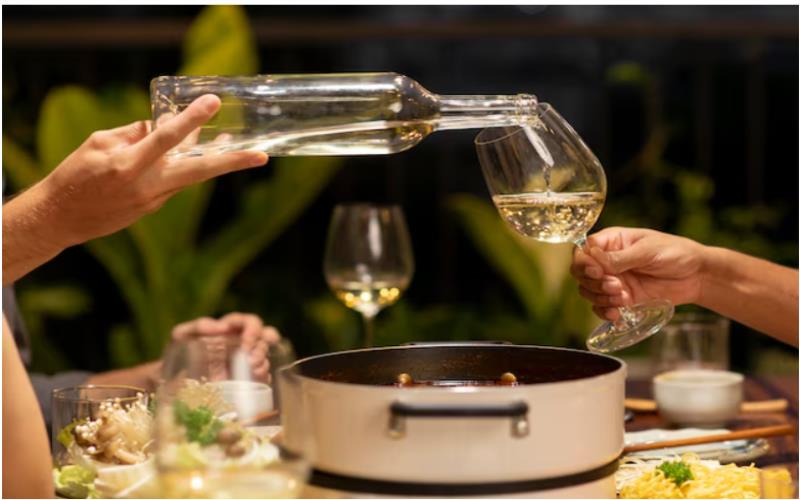
Unlock the world of white wine! Explore rich flavours, health benefits & more in our comprehensive guide!
White wine is made from white grape varieties or sometimes red grapes, emphasizing crisp flavours and aromas suited for various dishes. It’s a versatile and elegant beverage enjoyed around the world.
Significance of exploring different flavours of white wine
Exploring the various flavours of white wine enhances appreciation, broadens taste experiences, and educates palates. It also allows for perfect food pairings and enriches social interactions.
Importance of the blog
A blog serves as a vital platform for sharing knowledge, connecting with audiences, expressing ideas, and fostering a community among wine enthusiasts and curious beginners alike.
History and Origins of White Wine
Initial reference to white wine
White wine’s history dates back to ancient civilizations, where it was valued for its refreshing qualities. The elegance of its flavours made it a cherished beverage among royals and commoners alike.
How it evolved over centuries
Through centuries of cultural, technological, and agricultural developments, white wine has evolved into a refined and diverse drink, reflecting the regions and climates from which it originates.
Origin areas of different types of white wines
White wines are grown in regions such as France’s Loire Valley, California’s Napa Valley, New Zealand’s Marlborough, and Italy’s Veneto, each contributing unique characteristics to their wines due to varying climates and soils.

The Making Process of White Wine
Procedures for making white wine
The process begins with crushing and pressing grapes to extract the juice. This juice is then fermented with yeast, clarified, and bottled, resulting in a wine that reflects its origins and grape variety.
How the flavour profiles are created
Flavour profiles are crafted by manipulating the fermentation process, the choice of grape variety, and environmental factors like climate and soil. These factors combine to produce distinctive tastes and aromas.
Influence of climate and soil in the cultivation of white grapes
The terroir, or the interaction of climate and soil, plays a pivotal role in shaping the flavours of the grapes. Cooler climates, for example, tend to produce crisper, more acidic wines, while warmer climates yield more aromatic and fuller-bodied varieties.
Types of White Wine and Their Unique Tastes
- Chardonnay
Known for its versatility, Chardonnay can range from crisp and citrusy to rich and buttery, often featuring notes of vanilla, oak, and tropical fruits. - Sauvignon Blanc
This wine is celebrated for its zesty acidity and fresh, vibrant notes of citrus, grass, and green apple. It’s a perfect choice for summer meals. - Riesling
A highly aromatic wine, Riesling is known for its fruity flavours, floral aromas, and balanced sweetness, making it an ideal pairing for spicy dishes. - Pinot Grigio
Light and crisp, Pinot Grigio offers refreshing acidity with flavours of green apple, pear, and citrus, making it a popular choice for light seafood dishes.
Understanding the Flavors of White Wine
How to identify different flavours in white wine
To properly appreciate the flavours, observe the wine’s colour, swirl it gently, inhale its aromas, and taste carefully. Pay attention to the balance of acidity, sweetness, and tannins, as well as the aftertaste or “finish.”
Description of typical flavours found in white wine
White wines are typically characterized by flavours of citrus, green apple, stone fruits, floral notes, and herbs, with varying levels of acidity depending on the grape variety and winemaking process.
The Art of Tasting White Wine
Guidance on how to properly taste white wine
The tasting process involves a few steps: observing the colour, swirling the wine to release aromas, inhaling deeply to identify scents, sipping slowly to savour the flavours, and finally appreciating the finish.
Differentiating between tastes of various types of white wines
By tasting different white wines, you’ll notice the distinct profiles of each. Chardonnay can be creamy and oak-aged, while Sauvignon Blanc is crisp with grassy notes. Understanding these nuances can elevate your wine-tasting experience.
Tips for enhancing the wine-tasting experience
Consider the setting—dim lighting and a calm environment are ideal for tasting. Use proper glassware to allow the wine to breathe and release its aromas. Pair wines with complementary foods to enhance both the wine and the dish’s flavours.
Benefits of White Wine
Health benefits
White wine offers some health benefits when consumed in moderation, including promoting heart health, boosting metabolism, and offering antioxidant properties that protect against certain chronic diseases.
Culinary and dining benefits
White wine elevates dining experiences by enhancing food flavours. It pairs beautifully with seafood, poultry, light pasta dishes, and salads, creating a harmonious balance between food and drink.
Relaxation and stress release benefits
Sipping a glass of white wine can be a relaxing experience, helping to unwind and reduce stress after a long day. Its light and refreshing nature provides a soothing effect, promoting mental well-being.
Wine Pairing Suggestions
Recommended food pairings with different types of white wines
- Chardonnay pairs well with creamy pasta, chicken, and shellfish.
- Sauvignon Blanc is great with goat cheese, seafood, and fresh salads.
- Riesling complements spicy Asian cuisines, pork, and rich cheeses.
- Pinot Grigio goes beautifully with light appetizers, seafood, and vegetable dishes.
Guide on pairing white wines with various occasions
White wine is versatile, and suitable for various occasions, from casual gatherings to formal dinners. Choose a light, crisp wine for a summer picnic and a fuller-bodied wine like Chardonnay for a holiday feast.
How to Store and Serve White Wine
Best practices in white wine storage
Store white wine upright in a cool, dark place. Avoid temperature fluctuations and keep the wine in a cellar or a wine fridge for optimal conditions.
Ideal serving temperatures for various types of white wines
Light white wines like Sauvignon Blanc should be served around 45°F, while fuller-bodied whites like Chardonnay are best enjoyed at 50°F to 55°F. Serving at the correct temperature enhances the wine’s flavour profile.
How to Choose Quality White Wine
Guidelines to pick quality white wine
Examine the wine’s label for important details such as grape variety, region, and vintage. Trust your preferences and seek recommendations from wine experts to make an informed choice.
Understanding labels and key indicators of good white wine
Key indicators of quality include the wine’s origin, grape variety, vintage, and reviews. Understanding these labels helps consumers select wines that offer the best value and taste experience.