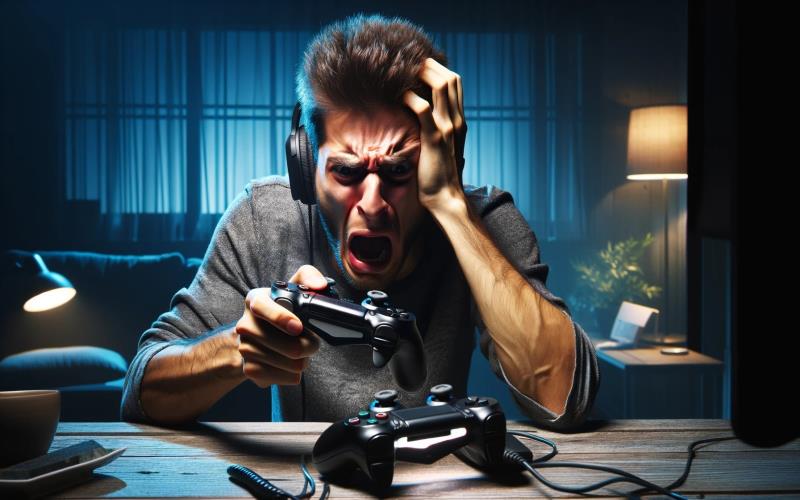
Online gaming has evolved from a recreational activity to a global phenomenon, shaping the lives of millions of players around the world. As it grows in popularity, researchers have become increasingly interested in understanding the psychological effects of online gaming. From providing an escape from reality to enhancing cognitive abilities, online gaming has a profound impact on players’ mental and emotional well-being. In this article, we explore the psychology of online gaming and how it influences players’ behavior, emotions, and social interactions.
1. The Role of Reward Systems in Online Games
One of the key psychological mechanisms behind online slot88 gaming is the reward system. Most games are designed to provide players with a sense of achievement, progression, and instant gratification. These rewards—whether in the form of points, new levels, or unlocking new content—trigger the release of dopamine, the brain’s feel-good chemical.
Variable Rewards and Dopamine Release
The concept of variable reinforcement, where rewards are given unpredictably, plays a huge role in keeping players engaged. Games use this principle to create a cycle of anticipation and satisfaction, encouraging players to keep playing to achieve the next reward. This unpredictability in reward can lead to what some describe as a “gaming addiction” where players feel compelled to continue playing, even if they don’t always get a tangible reward.
Progression and Mastery
In many online slot games, players experience a sense of progression through leveling up or unlocking achievements. This sense of growth can be psychologically rewarding, as it taps into the human need for mastery and accomplishment. By overcoming challenges, solving puzzles, or defeating opponents, players gain a sense of competence, which reinforces their desire to continue playing.
2. Escapism and the Desire for a Virtual World
For many players, online gaming serves as a form of escapism. Video games provide an alternative world where players can disconnect from the stressors of daily life. The virtual environment allows players to experience a range of emotions, from excitement to calmness, that may not be readily available in their real-world surroundings.
Stress Relief and Emotional Regulation
Games offer a space where players can express emotions or deal with challenges in a controlled environment. Whether it’s defeating a difficult boss or solving complex puzzles, the ability to succeed in a virtual world can offer a sense of control, making it an appealing outlet for stress. Online games often provide an emotional release that helps players cope with anxiety, depression, or frustration.
Identity and Self-Expression
Many online games allow players to create avatars or characters that reflect their personalities or desires. This self-expression enables individuals to experiment with new identities or present themselves in ways that might not be possible in the real world. The ability to control how others perceive them in a virtual environment can significantly boost self-esteem and provide a sense of autonomy.
3. Social Connections and Online Communities
Online gaming also plays a significant role in shaping social interactions. Multiplayer games connect individuals from different parts of the world, creating opportunities for communication, collaboration, and friendship. These connections can offer a sense of belonging, which is a fundamental human need.
The Formation of Online Friendships
In many online games, players work together to accomplish goals, whether it’s building a virtual world in a sandbox game or defeating opponents in a battle royale. This collaborative environment fosters a sense of community, where players form friendships based on shared interests and goals. Some studies suggest that these friendships can be just as meaningful as those in real life, as they provide emotional support, trust, and companionship.
The Role of Teamwork and Communication
In team-based games, players often rely on teamwork and communication to succeed. The psychological benefits of cooperative play include improved problem-solving skills, increased empathy, and a stronger sense of social cohesion. Players must learn how to effectively communicate, delegate tasks, and support their teammates, which strengthens their social bonds.
Toxicity and Online Conflict
While online games can foster positive social connections, they can also give rise to toxic behavior. The anonymity of the internet allows individuals to behave in ways they might not in person, leading to negative experiences such as trolling, cyberbullying, and harassment. Such toxic behavior can have a detrimental impact on players’ mental health, leading to feelings of frustration, alienation, or isolation.
4. The Influence of Online Gaming on Cognitive Skills
Online gaming has also been shown to enhance various cognitive abilities. Many games, particularly strategy-based or action-oriented titles, require players to think quickly, plan ahead, and make split-second decisions.
Improved Problem-Solving Skills
Many online games involve complex challenges that require players to think critically and solve problems. Whether it’s completing a puzzle, outsmarting an opponent, or navigating through a virtual obstacle course, players are constantly using their problem-solving skills. This mental exercise can translate to improved cognitive function and enhanced decision-making abilities in real life.
Memory and Attention
Certain types of games, such as puzzle games or RPGs, demand that players remember a large amount of information, from the details of quests to the characteristics of enemies. Studies have found that gaming can improve working memory, which helps players process and retain information. Additionally, action-based games, particularly those that require fast reflexes, can enhance visual attention and improve players’ ability to focus.
Hand-Eye Coordination
Fast-paced games that involve a high degree of hand-eye coordination—such as first-person shooters or racing games—have been shown to improve motor skills. Players develop quicker reaction times, better coordination, and the ability to multitask effectively.
5. The Dark Side: Gaming Addiction and Mental Health Concerns
While online gaming offers numerous psychological benefits, there is also a darker side to gaming that cannot be ignored. The immersive nature of online games, combined with reward systems, can lead to gaming addiction, where players prioritize gaming over other aspects of their lives, such as work, relationships, and health.
Symptoms of Gaming Addiction
Gaming addiction is characterized by an obsession with gaming, withdrawal from other activities, and a decline in personal relationships. It can lead to negative consequences, including sleep deprivation, reduced physical activity, and social isolation. In severe cases, it can interfere with academic or career pursuits and lead to psychological issues such as anxiety, depression, and stress.
Escalating Mental Health Issues
Prolonged gaming, especially when combined with negative social interactions, can exacerbate mental health issues. The isolation experienced by some gamers can lead to depression, anxiety, and emotional instability. Furthermore, toxic environments and harassment within gaming communities can contribute to lower self-esteem and increased stress levels.
6. The Future of Online Gaming Psychology
As online gaming continues to evolve, understanding its psychological impact will become increasingly important. Game developers are increasingly mindful of the mental and emotional effects of their products and are implementing features designed to promote positive mental health. For instance, some games now include options to report harassment or take breaks to prevent addiction.
Creating Positive Gaming Communities
There is a growing focus on creating inclusive, supportive gaming communities that foster positive interactions and minimize toxicity. With the rise of mental health awareness, developers are also introducing in-game features to encourage self-care, such as reminders to take breaks, engage in physical activity, or practice mindfulness.
Therapeutic Gaming
Looking forward, online gaming may even play a role in therapy and rehabilitation. Researchers are exploring the use of games for cognitive rehabilitation, stress relief, and mental health support. By harnessing the engaging and immersive nature of online games, developers and psychologists can work together to create games that help individuals manage stress, anxiety, and other mental health challenges.
Conclusion
The psychology of online gaming is multifaceted, offering both positive and negative impacts on players’ mental and emotional well-being. From providing an outlet for stress and offering cognitive benefits to fostering social connections and, at times, contributing to mental health challenges, online gaming plays a significant role in modern life. By understanding these psychological dynamics, players and developers can ensure that gaming remains a positive, engaging, and rewarding experience for all.